Source Rose Petals Leaves Silicone Mold for Cakes, Candles, and Soap
Find and compare 30 rose petals leaves silicone mold options from verified suppliers. Evaluate food-grade silicone materials, customizable sizes, and eco-friendly designs for baking, candle making, and soap crafting needs.
Key considerations
Products List


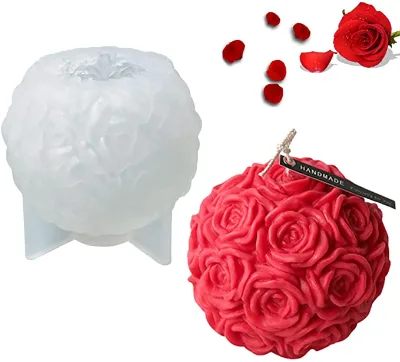

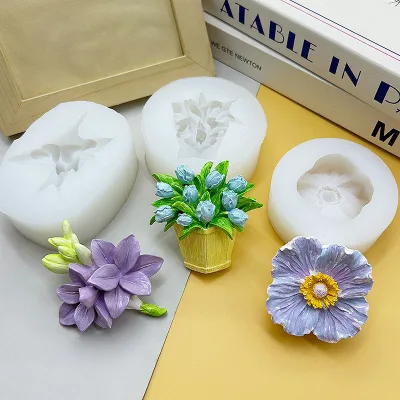
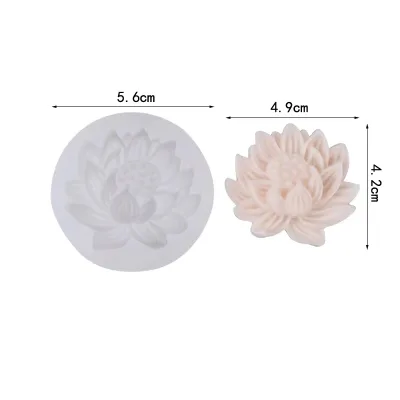
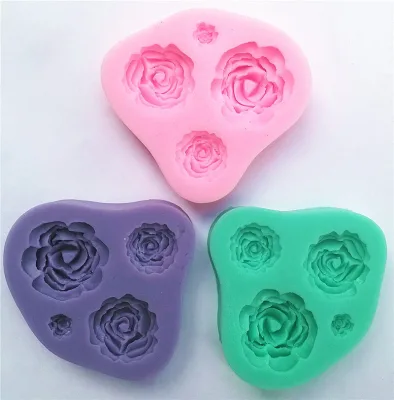




Comprehensive Sourcing Guide
Rose Petals Leaves Silicone Mold Sourcing Guide
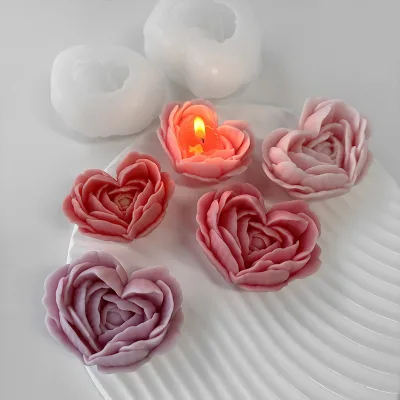
Sourcing high-quality silicone molds for crafting rose petal and leaf designs requires a disciplined approach to material verification and supplier qualification. These specialized tools are essential for bakers, confectioners, and DIY artisans who seek to replicate intricate floral details in chocolate, fondant, resin, or soap. The primary challenge in this category is distinguishing between true food-grade silicone and lower-quality alternatives that may leach chemicals or degrade under heat. Buyers must prioritize suppliers who provide transparent documentation regarding material composition, specifically confirming the absence of harmful additives like BPA. The visual appeal of the final product depends heavily on the mold’s ability to release delicate structures without tearing, which is directly influenced by the silicone’s flexibility and surface finish.
Beyond material safety, the structural integrity of the mold is a critical procurement factor. Rose petal molds often feature thin, raised edges that are prone to damage during demolding if the silicone is too rigid or of insufficient thickness. Procurement teams should evaluate the mold’s weight and dimensions as proxies for material density and durability. Heavier molds within a similar size category often indicate a higher volume of silicone, which can contribute to better heat retention and structural stability. Additionally, the choice between reusable and disposable options impacts long-term cost efficiency, with reusable silicone molds offering a superior return on investment for high-volume production environments despite a higher initial unit cost.
Product Scope and Observed Listing Signals
The current market for rose petal and leaf silicone molds presents a diverse range of specifications, with observed prices ranging from $0.30 to $7.88 USD. This wide variance suggests significant differences in material quality, mold complexity, and brand positioning. Lower-priced items may utilize standard silicone compounds suitable for non-food applications or low-heat baking, while premium listings likely feature 100% food-grade platinum-cured silicone capable of withstanding extreme temperatures. Buyers should interpret price points as indicators of material grade rather than absolute value, correlating higher costs with enhanced durability, clearer detailing, and stricter safety certifications. The presence of multiple product models, such as CY-601, CY-143, and CY-069, indicates that suppliers offer various sizes and depths to accommodate different project scales, from small decorative accents to large centerpiece elements.
Minimum Order Quantities (MOQs) in this sector vary substantially, ranging from 2 units to 1,500 pieces, reflecting the flexibility of modern manufacturing. Small MOQs are advantageous for prototyping, custom branding, or small-batch artisanal production, allowing buyers to test mold performance before committing to large inventory. Conversely, bulk orders often unlock economies of scale, reducing the per-unit cost significantly. Many suppliers offer customization options, including logo printing and bespoke packaging, which are critical for B2B clients seeking to brand their finished goods or private-label the molds themselves. The availability of eco-friendly styles and non-disposable designs aligns with growing market demands for sustainable production practices, reducing waste associated with single-use plastic alternatives.
Technical Specifications to Verify
Dimensional accuracy and weight consistency are paramount when evaluating silicone molds for rose petal and leaf designs. Observed specifications include sizes such as 28.516.52cm and 2110.52cm, with corresponding weights of 114g and 70g per piece. These metrics provide insight into the mold’s capacity and material density. Buyers should verify that the listed dimensions match the actual product received, as discrepancies can lead to sizing issues in final products, particularly when scaling recipes or designs. The weight of the mold can also serve as a quality indicator; a mold that is significantly lighter than its listed weight may contain fillers or use a thinner silicone layer, which could compromise its longevity and release properties.
Packaging and model identification are also key technical aspects to confirm. Products are typically packed in OPP bags, PVC pet bags, or polybags, with some suppliers offering customized packaging solutions. The presence of specific model numbers, such as JS5021209 or CY-480, facilitates precise reordering and quality tracking. Buyers should ensure that the packaging protects the delicate edges of the rose petal molds during transit, as damage to these areas can result in imperfect floral shapes. Additionally, the single package size and gross weight, such as 13x13x12 cm and 0.370 kg for certain models, are crucial for calculating shipping costs and storage requirements. Verifying these logistical details early in the sourcing process helps in accurate budgeting and supply chain planning.
Compliance and Safety Documentation
Safety certifications are non-negotiable for silicone molds intended for food contact. Trusted listings often cite FDA, LFGB, and CE/EU certifications, which indicate compliance with stringent safety standards in the United States, Germany, and the European Union, respectively. These certifications ensure that the silicone is free from harmful substances like BPA, phthalates, and heavy metals. Buyers must request valid certification documents from suppliers to verify that the specific batch of molds meets these regulatory requirements. It is important to note that while certifications are a strong indicator of safety, they should be cross-referenced with the supplier’s reputation and production practices to ensure ongoing compliance.
In addition to regulatory certifications, buyers should inquire about the specific type of silicone used in manufacturing. The term "100% food grade silicone" is commonly used, but it is essential to distinguish between tin-cured and platinum-cured silicone. Platinum-cured silicone is generally preferred for food applications due to its higher purity, better heat resistance, and superior release properties. Buyers should verify whether the supplier uses platinum-cured silicone, especially for molds that will be exposed to high temperatures during baking or molding processes. Transparency regarding material composition is a key indicator of a supplier’s commitment to quality and safety, and reputable manufacturers will readily provide this information upon request.
Cost Drivers and Commercial Terms
The total cost of ownership for silicone molds extends beyond the unit price to include shipping, customization, and lead times. Observed lead times for samples are typically within 3 days, allowing for rapid prototyping and quality assessment. However, mass production lead times can be longer, often contingent on payment terms such as a 30% T/T deposit with the balance against the copy of the bill of lading. Buyers should factor in these payment structures when planning cash flow and inventory management. The availability of customization, including logo printing and packaging, may incur additional costs, which should be clarified during the quotation phase to avoid unexpected expenses.
Shipping methods, such as DHL, UPS, FedEx, and TNT, offer varying speeds and costs depending on the destination and order volume. For bulk orders, sea freight may be a more cost-effective option, although it involves longer transit times. Buyers should evaluate the trade-off between speed and cost based on their production schedules and inventory needs. Additionally, the origin of the products, primarily from regions like Fujian and Guangdong in China, can influence shipping logistics and tariffs. Understanding these commercial terms helps in negotiating favorable conditions and ensuring that the procurement process aligns with the buyer’s operational requirements and budget constraints.
Supplier Qualification and Quality Control
Supplier qualification is a critical step in mitigating risks associated with silicone mold procurement. Buyers should assess suppliers based on their production capabilities, quality control processes, and customer service responsiveness. Suppliers with a history of providing consistent product quality and adhering to agreed-upon specifications are preferable. It is advisable to request samples before placing large orders to evaluate the mold’s flexibility, detail clarity, and ease of use. The ability of the supplier to provide customized solutions, such as OEM branding, also indicates a higher level of professionalism and flexibility.
Quality control measures should be clearly defined and agreed upon before production begins. This includes specifications for material composition, dimensional accuracy, and packaging standards. Buyers should establish clear criteria for acceptable quality levels and define the process for handling defective or non-conforming products. Regular communication with the supplier during the production process can help identify and address potential issues early. Additionally, suppliers who offer warranties or guarantees on their products demonstrate confidence in their quality and provide an additional layer of protection for the buyer. Establishing a strong relationship with a reliable supplier ensures a steady supply of high-quality molds and supports long-term business success.
Long-Term Procurement Checks
Long-term procurement success depends on continuous monitoring of supplier performance and product quality. Buyers should regularly review supplier metrics, such as on-time delivery rates, product defect rates, and responsiveness to issues. Maintaining open lines of communication with suppliers allows for timely resolution of problems and fosters a collaborative partnership. It is also important to stay updated on industry trends and regulatory changes that may impact the sourcing of silicone molds. Adapting to these changes ensures that the procurement strategy remains effective and compliant with current standards.
Furthermore, buyers should periodically reassess their supplier base to ensure they are getting the best value and quality. This may involve comparing multiple suppliers, negotiating better terms, or exploring new sourcing opportunities. Evaluating the total cost of ownership, including shipping, customization, and potential risks, helps in making informed decisions. By maintaining a disciplined approach to supplier qualification and quality control, buyers can secure a reliable supply of high-quality rose petal and leaf silicone molds, supporting their production goals and customer satisfaction. Continuous improvement and proactive management are key to sustaining long-term procurement success in this dynamic market.
FAQs
What certifications do the silicone molds have?
The molds hold FDA, LFGB, and CE/EU certifications for safety. These standards ensure the food-grade silicone meets international requirements for kitchen use and contact with food products.
Can I customize the logo on the mold?
Yes, logo customization is available for these silicone molds. Buyers can request specific branding to be added to the product, subject to the minimum order quantity requirements.
How long does sample production take?
Sample lead time is within 3 days for most orders. This quick turnaround allows buyers to verify product quality and design before committing to a larger mass production run.
What is the minimum order quantity for these molds?
The minimum order quantity ranges from 100 to 1500 pieces depending on the specific model. Buyers should check the exact MOQ for their chosen product variant before placing an order.
Are these molds reusable or disposable?
These molds are non-disposable and designed for reusable use. The durable silicone material allows for multiple baking cycles while maintaining the shape and integrity of the cake or candle.
Where are these silicone molds manufactured?
The molds originate from Fujian and Guangdong provinces in China. This location indicates the manufacturing base for the various models listed, including specific cake and candle mold designs.